 (416) 966-3368

Best Foods for Strong Teeth
When it comes to maintaining a healthy, confident smile, what you eat plays a crucial role alongside regular brushing and dental visits. If you want to keep your teeth durable, bright, and cavity-resistant, incorporating the right foods into your daily meals is essential.
This guide will walk through the very best foods for strong teeth. You’ll learn which vitamins and minerals matter most, what to snack on for a natural tooth-cleaning effect, and how a balanced diet supports your oral health and overall well-being.
Why Nutrition Matters for Your Teeth
Your teeth are living structures made of enamel, dentin, nerves, and blood vessels. Enamel, the outer layer, is the hardest substance in your body, but it’s not invincible. It needs constant care through good oral hygiene and a nutritious diet to stay intact.
Foods rich in certain nutrients help rebuild enamel, reduce inflammation in your gums, and fight harmful bacteria that cause decay. On the other hand, sugary and acidic foods can erode enamel and lead to cavities.
By eating tooth-friendly foods, you provide building blocks like calcium and phosphorus to strengthen enamel and minerals that support the jawbone. Vitamins like D and C enhance calcium absorption and gum health. Adequate saliva production, stimulated by some foods, also protects your teeth by neutralizing acids and washing away food particles.
Top Nutrients for Strong Teeth
Understanding the nutrients that promote dental health can guide you in choosing the right foods:
Calcium
Calcium is the most abundant mineral in the body and plays a fundamental role in building and maintaining strong bones and teeth. It provides the hardness and stability that tooth enamel requires to protect against decay and wear.
Adequate calcium intake also keeps the jawbone healthy and dense, which is essential for holding teeth firmly in place. Deficiency in calcium can lead to weaker enamel, increased risk of cavities, and compromised bone structure surrounding the teeth, making them more vulnerable to damage and disease.
Vitamin D
Vitamin D is critical for dental health because it regulates the body’s absorption of calcium and phosphorus from the diet. Without sufficient vitamin D, calcium cannot be effectively absorbed, even if calcium intake is adequate. This vitamin supports bone mineralization and helps maintain the structure and strength of teeth and jawbones.
Additionally, vitamin D has anti-inflammatory properties that help reduce gum inflammation and protect against periodontal disease, playing a protective role in oral health beyond mineral absorption.
Phosphorus
Phosphorus works closely with calcium to rebuild and maintain tooth enamel and strengthen bones. It optimizes calcium use in the body and contributes to the hardness of teeth by forming calcium phosphate, a principal component of enamel and dentin.
Phosphorus also supports the repair of enamel after acid attacks by oral bacteria. Adequate phosphorus intake is essential during tooth development and maintenance, making it a key mineral for strong, resilient teeth.
Vitamin C
Vitamin C plays a vital role in maintaining healthy gums and connective tissues that support teeth. It is necessary for the production of collagen, a structural protein crucial for gum tissue repair and integrity.
A deficiency in vitamin C can lead to gum inflammation, bleeding, and increased susceptibility to periodontal disease, which can ultimately affect tooth stability. Consuming enough vitamin C-rich foods helps keep your gums strong and enhances your body’s natural ability to heal oral tissues.
Vitamin A
Vitamin A is important for healthy mucous membranes in the mouth and contributes to saliva production, which naturally cleans teeth and neutralizes harmful acids. Saliva acts as a protective barrier for teeth by washing away food debris and buffering bacterial acids that cause enamel erosion. Adequate vitamin A intake supports overall oral health by maintaining these defense mechanisms and promoting proper tissue regeneration.
Potassium & Magnesium
Potassium helps neutralize acids in the mouth, thereby protecting enamel from erosion and maintaining a balanced pH level. It also supports bone density by influencing calcium metabolism and reducing calcium loss in urine.
Magnesium contributes to the structural development of bones and teeth and helps regulate mineral balance. Together, potassium and magnesium support the strength and durability of teeth by ensuring optimal mineralization and acid-base balance in oral tissues.
With that foundation, let’s explore the best foods packed with these nutrients and how they help your smile thrive.
Dairy Products
Milk, cheese, and yogurt are often referred to as the holy trinity of tooth-friendly foods. That’s because dairy products are loaded with calcium, protein, and phosphorus—key players in enamel repair and remineralization.
Cheese, in particular, has a unique benefit by raising the pH level in your mouth, which neutralizes harmful acids that cause decay. Chewing cheese increases saliva flow, which rinses away food debris.
Yogurt, especially plain and unsweetened types, provides probiotics. These beneficial bacteria crowd out cavity-causing microbes and promote healthy gums.
Incorporate dairy daily by adding cheese to your salads, enjoying a glass of milk, or topping a breakfast bowl with plain yogurt.
Leafy Greens
Spinach, kale, collard greens, and other leafy greens are vitamin-packed superheroes for your teeth. These greens are excellent sources of calcium and folic acid—a B-vitamin that supports gum health and tissue repair.
Their high fiber content also encourages saliva production, helping keep your mouth clean. Plus, leafy greens are low in calories and rich in antioxidants that reduce inflammation in oral tissues.
Try to add a handful of spinach to your smoothies or toss kale into your favorite dishes for a nutritious boost.
Crunchy Fruits and Vegetables
Crunchy fruits and veg like apples, carrots, celery, and cucumbers are not only refreshing— they physically clean your teeth as you chew. Their fibrous texture scrapes plaque and food particles from tooth surfaces.
Eating these foods stimulates saliva production, washes away bacteria, and neutralizes mouth acids. Apples, despite their natural sweetness, are excellent for a tooth-friendly snack during the day.
Carrots are also rich in vitamin A, which helps maintain protective mucous membranes in your mouth and boosts saliva.
Keep crunchy fruits and veggies handy as snacks or add them to meals to enjoy their protective benefits.
Nuts and Seeds
Almonds, walnuts, cashews, and sunflower seeds supply essential minerals such as calcium, phosphorus, magnesium, and vitamin E. These nutrients work together to remineralize enamel and strengthen tooth structure.
Nuts also stimulate saliva flow through their texture, aiding in oral cleansing. Almonds have a low sugar content, adding to their tooth-friendly credentials.
Add a handful of mixed nuts to your salad, yogurt, or simply enjoy them as a nutritious snack.
Fatty Fish
Fish like salmon, mackerel, and sardines are rich in omega-3 fatty acids and vitamin D. Vitamin D is crucial because it helps your body absorb calcium efficiently—to keep your jawbone dense and your teeth anchored.
Omega-3s reduce inflammation, which can benefit gum health by lowering the risk of periodontal disease.
Include fatty fish in your meals a few times a week for a dual boost to your heart and dental health.
Eggs
Eggs contain vitamin D and phosphorus, important for tooth mineral maintenance and enamel regeneration. They provide the protein necessary for the overall growth and repair of oral tissues.
Whether boiled, scrambled, or in an omelet packed with vegetables, eggs are a convenient and versatile addition to your diet.
Water
Though not a food, water deserves a mention as it hydrates oral tissues and aids saliva production. Saliva is your mouth’s natural defense against bacteria and acid attacks.
Drinking fluoridated water can also strengthen enamel and reduce cavities.
Choose water over sugary drinks and sodas to protect your teeth and support overall health.
Foods to Enjoy in Moderation
Citrus Fruits and Juices
Lemons, oranges, grapefruits, and tomatoes are rich sources of vitamin C and antioxidants that support gum health and overall immunity. However, they are also highly acidic, and the acids can soften and erode tooth enamel with frequent or prolonged exposure, increasing the risk of decay and sensitivity.
To protect your teeth, it’s best to consume these fruits and their juices with meals rather than as standalone snacks, and to use a straw when drinking juices to minimize contact with teeth. Rinsing your mouth with water afterward helps neutralize acids and reduce enamel wear.
Dried Fruits
Dried apricots, raisins, dates, and other dried fruits are concentrated sources of natural sugars and tend to be sticky, which causes them to cling to teeth and lodge in crevices. This sticky residue feeds decay-causing bacteria and promotes plaque buildup if not cleaned properly.
While they provide dietary fiber and nutrients, these fruits should be eaten sparingly, preferably as part of a meal, and followed by rinsing your mouth or brushing to reduce the risk of cavities.
Starchy Foods
Refined starches, such as soft white bread, pasta, crackers, and potato chips, can get stuck between teeth, where saliva breaks them down into simple sugars. These sugars then feed bacteria that produce acids, attacking enamel and causing plaque accumulation.
Choosing whole-grain alternatives can reduce this effect, but regardless, it is important to floss and brush thoroughly after consuming starchy foods to remove particles from the tooth surfaces and prevent decay.
Coffee and Tea
Both coffee and tea contain tannins that can stain tooth enamel over time, and they are mildly acidic, which can contribute to enamel erosion. Many people add sugar to these beverages, further enhancing their cavity-causing potential. Drinking these beverages in moderation, selecting unsweetened versions, and rinsing your mouth with water after consumption can help minimize staining and acid damage.
Red and White Wine
Wines are acidic drinks that can erode enamel and contribute to tooth sensitivity and decay. Both red and white wines can discolor teeth, and alcohol content can cause dry mouth, reducing saliva flow that protects teeth from acid attacks. It is advisable to drink water along with wine to wash away acids and keep your mouth hydrated, which supports natural enamel remineralization.
Practical Tips for a Tooth-Friendly Diet
- Start your day with a calcium and protein-rich breakfast like yogurt with almonds.
- Snack on crunchy vegetables instead of chips or sweets.
- Include leafy greens in salads, wraps, or smoothies.
- Opt for water or fluoridated beverages to stay hydrated.
- Regularly enjoy fatty fish, eggs, and dairy for balanced nutrients.
- Avoid grazing on sugary foods throughout the day.
- Maintain good oral hygiene to complement your nutritious diet.
Why Professional Dental Care Complements a Healthy Diet
Eating nutrient-rich foods is a powerful way to strengthen teeth and maintain oral health, but it is not a complete solution on its own. Even with the best diet, your teeth still need regular care from a trusted dentist to prevent and treat conditions that food alone cannot fix. At Midtown Dental, we have some of the best doctors in the industry, offering comprehensive dental services to protect your smile, catch issues early, and provide personalized treatments tailored to your needs.
Some of our services include:
CLEANINGS & PREVENTION
Regular professional cleanings at Midtown Dental remove plaque and tartar that daily brushing can miss, helping to prevent cavities and gum disease before they start. Our preventive care not only maintains a bright smile but also catches early signs of dental problems, saving you from costly treatments later. With personalized advice and thorough cleanings, we help you keep your teeth and gums healthy for life.
Learn More
COSMETIC DENTISTRY
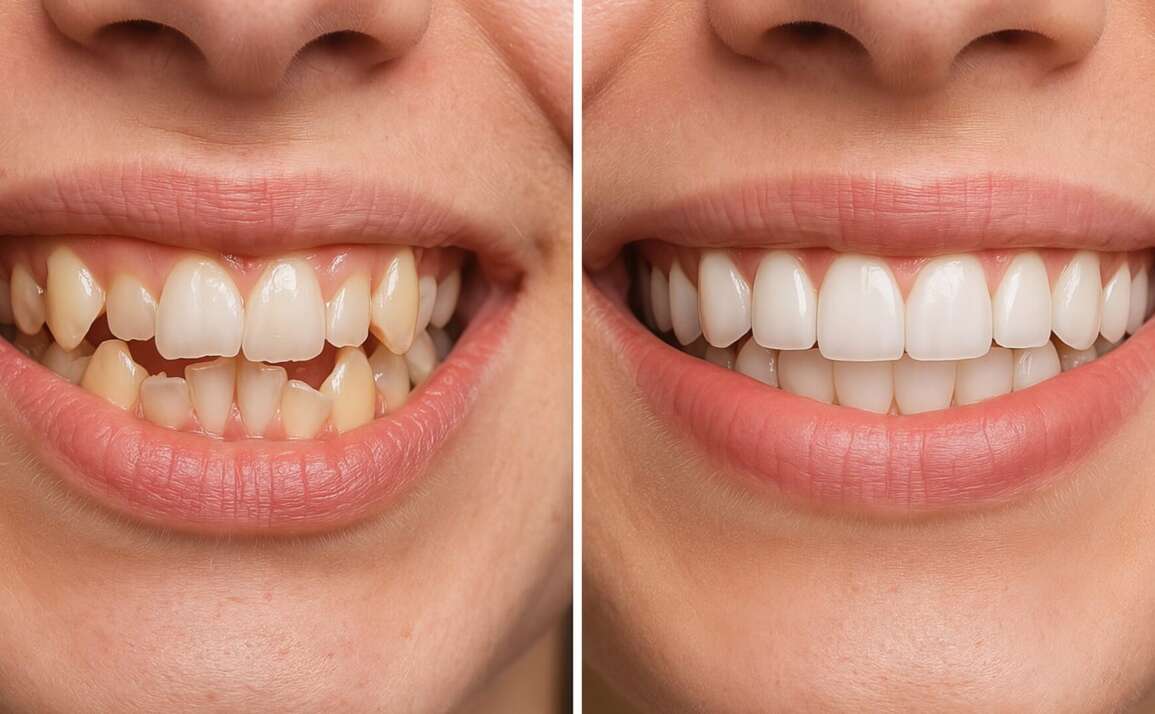
Midtown Dental’s cosmetic dentistry services enhance the appearance of your smile through procedures like teeth whitening, veneers, and bonding. These treatments not only improve aesthetics but also correct minor structural issues that can impact oral health. Achieve the confident smile you desire while maintaining strong, healthy teeth with our expert cosmetic solutions.
Learn More
BRACES
Our orthodontic services at Midtown Dental offer braces and other corrective options to align teeth and improve bite function, which is essential for effective chewing and oral hygiene. Properly aligned teeth are easier to clean, reducing the risk of tooth decay and gum disease. Experience improved oral health and confidence with personalized orthodontic treatment tailored to your needs.
Learn More
RESTORATIVE DENTISTRY
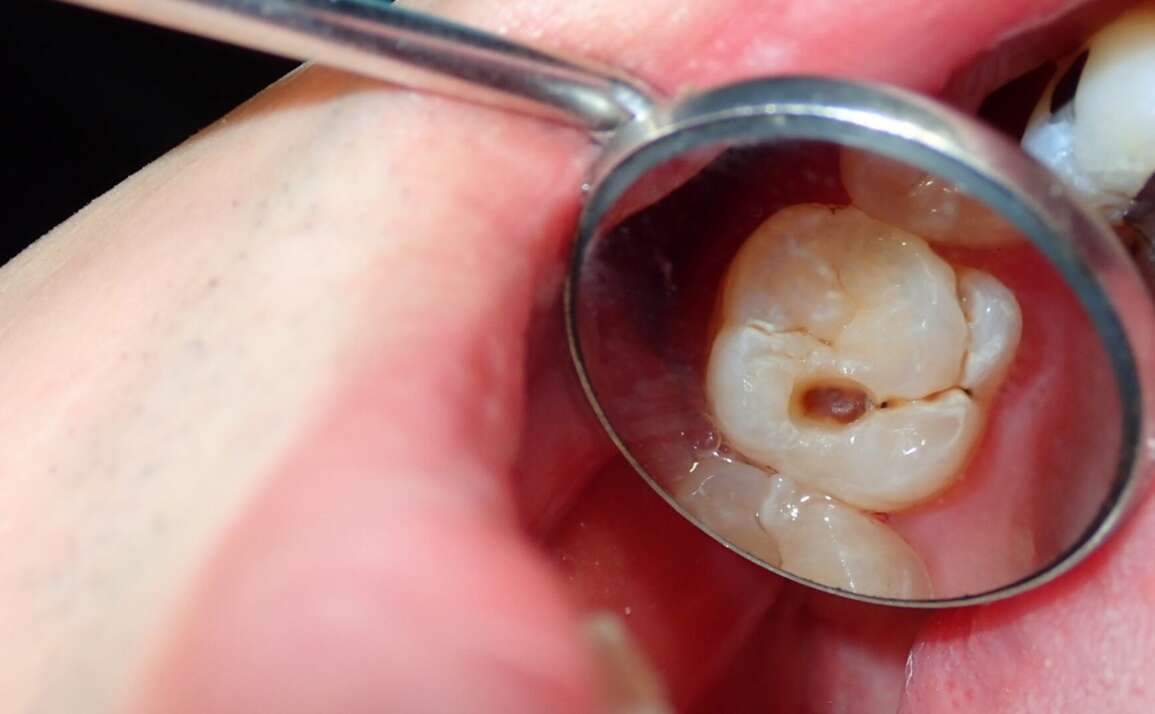
If your teeth are damaged or decayed, Midtown Dental provides restorative services such as fillings, crowns, and implants to restore function and protect your smile. These treatments strengthen weakened teeth and prevent further deterioration. Restorative care helps preserve your natural teeth and supports overall oral health for lasting comfort and performance.
Learn More
SLEEP APNEA
Sleep apnea can negatively affect your overall health and oral health by causing dry mouth and an increased risk of gum disease. Midtown Dental offers customized oral appliances designed to keep your airway open during sleep for better breathing and health. Treating sleep apnea not only improves sleep quality but also helps maintain a healthy mouth and smile.
Learn More
GUM DISEASE
At Midtown Dental, we provide comprehensive periodontal therapy to treat and manage gum disease, preventing tooth loss and preserving your jawbone. Our services include deep cleanings, scaling, root planing, and patient education to restore gum health. Early intervention and ongoing care are key to maintaining a strong foundation for your teeth.
Learn More
You can fill out our appointment request form to schedule your visit.
FAQs About Foods for Strong Teeth
What foods make your teeth stronger?
Foods rich in calcium (like dairy products), phosphorus (found in meat and fish), and vitamin D (from fatty fish and eggs) strengthen teeth by rebuilding enamel and supporting jawbone health. Crunchy fruits and vegetables such as apples and carrots stimulate saliva, which helps clean teeth naturally. Leafy greens provide essential vitamins and minerals for gum and tooth health. Nuts also provide minerals that strengthen enamel and promote oral health.
How to strengthen teeth during pregnancy?
During pregnancy, focus on a diet rich in calcium, vitamin D, and phosphorus to support both maternal and fetal tooth and bone health. Prenatal vitamins often contain these nutrients, but additional dietary sources like dairy, leafy greens, eggs, and fish help maintain your own teeth. Regular dental checkups and optimal oral hygiene are also crucial since hormonal changes increase gum sensitivity and risk of dental issues.
How can I rebuild my tooth strength?
To rebuild tooth strength, consume foods high in calcium, phosphorus, and vitamins D and C to promote enamel remineralization and gum tissue health. Fluoride from toothpaste and fluoridated water supports enamel repair by making teeth more resistant to acid attacks. Avoid sugary and acidic foods that erode enamel and maintain good oral hygiene. Regular dental visits can provide additional treatments like fluoride varnishes to strengthen tooth enamel.
Which fruit is good for strong teeth?
Apples are excellent for strong teeth because their fibrous texture cleans the tooth surfaces and stimulates saliva production, which neutralizes harmful acids. Strawberries contain vitamin C, beneficial for healthy gums, while kiwi and oranges provide vitamin C to support connective tissue. However, consume citrus fruits in moderation due to their acidity, which can wear enamel if overconsumed.
What foods don’t damage teeth?
Foods low in sugar and acid, such as dairy products, nuts, lean meats, fresh vegetables, and whole grains, are gentle on teeth and supportive of oral health. Crunchy, fibrous foods help cleanse teeth while you eat, and water helps wash away food particles and bacteria. Avoid sticky candies, sugary snacks, and highly acidic foods, which promote enamel erosion and cavities.
What drink makes teeth stronger?
Fluoridated water is the best drink for strengthening teeth by helping teeth resist decay and rebuild enamel. Milk is also beneficial due to its high calcium and phosphorus content. Avoid sugary sodas and acidic fruit juices, which can erode tooth enamel.
Can weak teeth become strong again?
Yes, weak teeth can regain strength through proper nutrition rich in enamel-building minerals, good oral hygiene, fluoride treatments, and avoiding harmful foods. Early enamel remineralization is possible before decay progresses too far, supported by fluoride and saliva. However, severely damaged teeth may need dental intervention like fillings or crowns.
Which vitamin is good for teeth?
Vitamin D is one of the most important vitamins for teeth since it enhances calcium absorption needed for strong enamel and bone. Vitamin C supports healthy gums by promoting collagen formation and reducing inflammation. Vitamin A maintains saliva production and mucous membranes, helping keep the mouth healthy.
Is baking soda good for teeth?
Baking soda can be beneficial in removing surface stains and neutralizing acids in the mouth, thus helping to prevent tooth decay. However, it should be used sparingly and gently because its abrasive nature can wear down enamel if overused. It’s best used occasionally as a supplement to regular tooth brushing with fluoride toothpaste.
What drink damages teeth the most?
Sugary sodas and acidic energy drinks are among the worst for teeth because they combine high sugar content with acidity that erodes enamel quickly. Frequent consumption leads to increased risk of cavities and enamel wear. Even diet sodas can be acidic and damage enamel despite lacking sugar.
Is egg good for teeth?
Yes, eggs are beneficial for teeth as they provide vitamin D and phosphorus, which are essential for enamel maintenance and tooth mineralization. They are also a good protein source that supports overall oral tissue health. Including eggs in your diet supports the nutrients your teeth need to stay strong.
What juice is best for teeth?
Vegetable juices with low acidity and sugar, such as carrot or cucumber juice, are better choices for teeth compared to fruit juices. If consuming fruit juices, opt for those with less sugar and acidity, and drink them with a meal rather than alone to reduce enamel exposure. Always rinse your mouth with water afterward to help neutralize acids.
Final Thoughts on Best Foods for Strong Teeth
Your teeth deserve the best care, and what you eat plays a big role in keeping them strong and healthy. At Midtown Dental, located in the heart of Toronto near Yonge and Bloor stations, we emphasize the power of nutrition in dental health. People living and working in Midtown Toronto, Port Credit in Mississauga, and vibrant neighborhoods like Oakville and Vaughan benefit greatly from choosing tooth-friendly foods that nourish and protect their smiles.
Along with promoting healthy eating, Midtown Dental Doctors provides a full range of expert dental services to support your oral health—from routine cleanings and dental exams to restorative treatments like crowns, fillings, and root canals. Our dedicated team is committed to caring for your smile with personalized, gentle care tailored to your needs. No matter where you live in the Greater Toronto Area, you can trust Midtown Dental to help you maintain a strong, healthy, and confident smile every day.
Contact us today!