 (416) 966-3368
Inside a Dental Cleaning: What Really Happens – Midtown Dental Centre (Midtown / Toronto)
A professional dental cleaning ranks among the most common and valuable healthcare services you can schedule in Toronto. Many people view it as a simple polish for brighter teeth, but that perception misses its true purpose. Dental cleaning is a comprehensive preventive service that protects your gums, teeth, and overall health.
Full schedules across Midtown Toronto, Bloor Street East, Yonge and St. Clair, and surrounding neighborhoods often push dental visits lower on the priority list. Work responsibilities, academic demands, commuting, and family commitments can quickly fill your calendar. Even so, consistent preventive dental care reduces the risk of future problems and helps you avoid unnecessary time, expense, and discomfort later.
The True Purpose of a Dental Cleaning
A routine dental visit serves a preventive role in maintaining oral health. It clears away harmful deposits, reveals early signs of concern, and helps maintain a balanced environment in the mouth. The objective extends beyond a brighter smile and focuses on protecting long-term oral wellness.
The oral cavity contains millions of bacteria. Many coexist harmlessly, but certain strains contribute to tooth decay and periodontal problems. These microorganisms create a sticky layer known as plaque. If this film remains on tooth surfaces for extended periods, it mineralizes into tartar. This hardened material adheres firmly to enamel and accumulates near the gumline. Regular brushing and flossing cannot dislodge it after it forms.
Professional cleaning can remove these deposits and significantly reduces the likelihood of gum irritation, cavities, and oral infections. This preventive step plays an important role in preserving healthy teeth and supporting strong gum tissue.
Oral Health and Whole-Body Health
Current scientific evidence highlights a meaningful connection between the condition of your mouth and your overall physical health. Ongoing gum inflammation can affect other systems throughout the body. Dental and medical professionals now acknowledge these relationships with greater clarity due to expanding research in preventive care and systemic health.
Suboptimal oral conditions have been linked to several broader health concerns, including:
- Cardiovascular inflammation
- Complications related to diabetes
- Certain respiratory illnesses
- Negative pregnancy outcomes
- Widespread inflammatory responses in the body
Professional hygiene visits help manage bacterial populations inside the mouth. Reducing harmful bacteria can lessen persistent inflammation and support better general health. The benefits extend beyond fresh breath and a clean smile.
A preventive approach allows clinicians to detect minor concerns early. Addressing small problems promptly lowers the chance that they develop into more serious conditions.
What to Expect at Your Appointment
Uncertainty about dental visits often comes from not knowing what the experience involves. Clear explanations can ease concerns and build confidence. A professional hygiene visit follows a careful, patient-focused sequence designed for comfort and effectiveness.
Every phase of the appointment serves a specific purpose. Together, these steps promote a cleaner and healthier oral environment.
Step 1: Medical and Dental History Review
Your appointment begins with a discussion about your health and previous dental care. This review allows the clinical team to tailor care to your individual situation.
Topics commonly covered include:
- Recent changes in general health
- Current medications or supplements
- Previous dental procedures
- Tooth sensitivity
- Bleeding during brushing or flossing
- Jaw soreness or tension
Some medications can reduce saliva or affect gum tissue. Medical conditions such as diabetes may influence healing and infection risk. Your dentist evaluates these factors before proceeding.
This initial conversation supports safe, informed, and personalized treatment.
Step 2: Initial Oral Examination
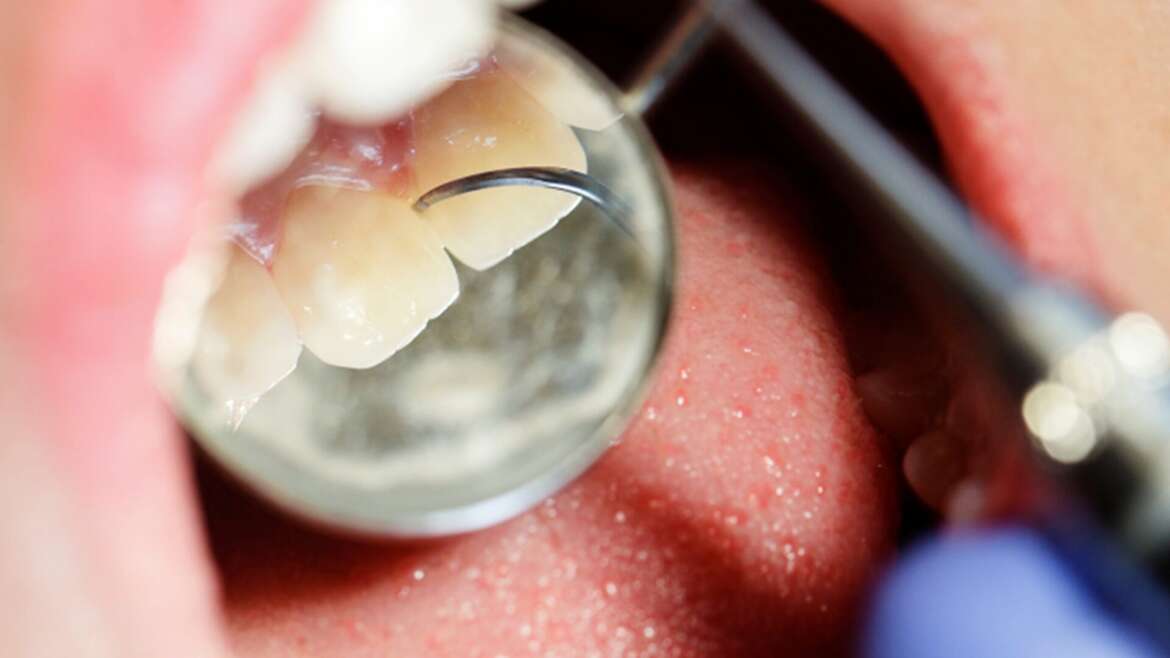
Before any instruments are used, the hygienist performs a careful visual assessment of your mouth. This preliminary check provides a snapshot of your current oral condition and guides the next steps in care.
During this evaluation, the clinician checks for:
- Inflamed or tender gum tissue
- Levels of soft and hardened deposits on teeth
- Areas of enamel thinning or wear
- Unusual marks that may signal early decay
- Receding gumlines
- Concerns related to bite alignment
If the assessment reveals anything out of the ordinary, the dentist may complete a more detailed evaluation. Identifying concerns at an early stage supports timely and conservative treatment.
Step 3: Scaling to Remove Tartar and Plaque
Scaling forms a central part of a preventive hygiene visit. This phase focuses on clearing away soft deposits and hardened buildup from tooth surfaces and along the gumline.
Clinicians rely on two primary types of instruments:
Ultrasonic Scalers
These devices produce high-frequency vibrations that loosen hardened deposits. A controlled flow of water rinses away debris and helps maintain a comfortable temperature. The sound may seem unusual at first, but most patients find the feeling gentle and manageable.
Hand Scalers
These finely crafted tools allow detailed work in narrow spaces. They help remove residue near the gumline and between teeth where buildup often collects.
This process supports gum health by eliminating irritants that can inflame soft tissue and encourage bacterial growth. Clearing away these deposits lowers the likelihood of periodontal problems.
Some individuals notice slight sensitivity during this stage. That response is usually brief. You can let your hygienist know at any time if you would like a pause.
Step 4: Professional Flossing
Interdental cleaning performed by a hygienist reaches spaces that daily home care often misses. Careful technique and light pressure allow thorough cleaning between teeth and just below the gumline.
This step clears trapped debris and provides insight into gum health. Minor bleeding may occur in areas with existing inflammation. That response often improves as the tissues become healthier with consistent care.
Interdental cleaning can also reveal tight spaces or spots that frequently catch food. Your hygienist may share practical suggestions to strengthen your routine at home.
Step 5: Polishing the Teeth
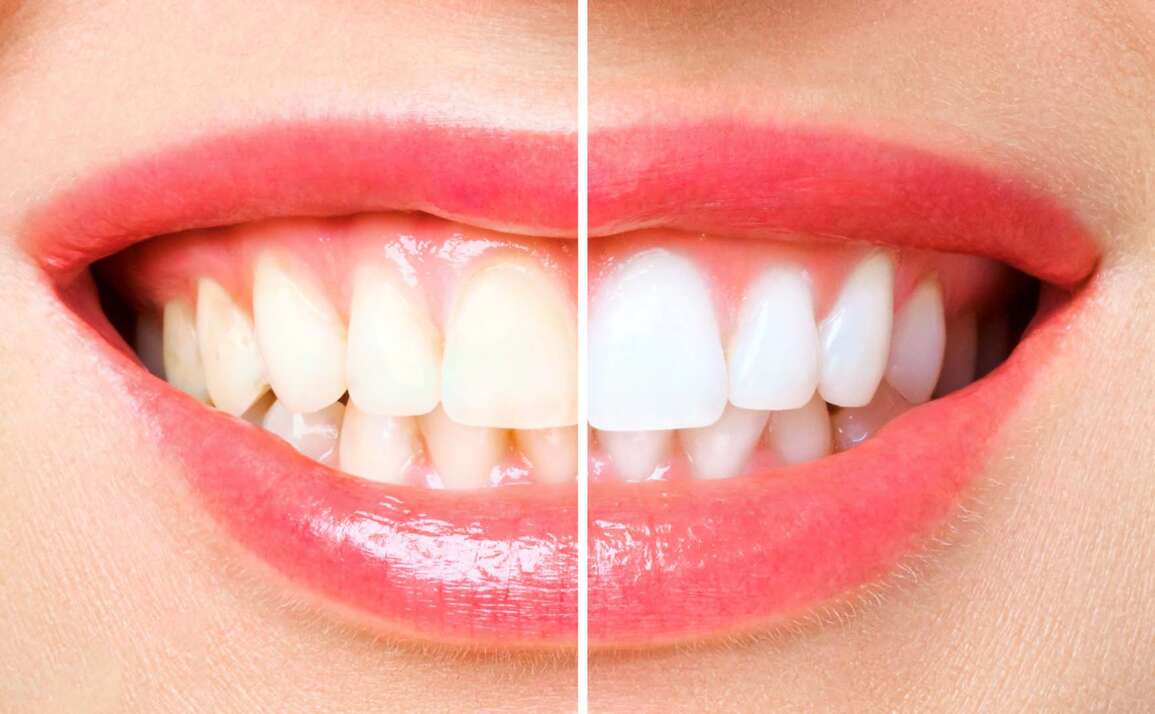
Polishing refines the tooth surface and lifts external stains. A soft rotating cup and a lightly abrasive paste complete this stage.
Polishing helps to:
- Lift stains from coffee, tea, or wine
- Create smoother enamel surfaces
- Make it harder for deposits to cling
- Enhance the overall appearance of your smile
Many people find this part of the visit pleasant and refreshing. The process feels gentle and leaves teeth smooth and clean.
Step 6: Fluoride Protection
Fluoride therapy helps reinforce tooth enamel and supports resistance to decay. While it is not necessary for every patient, many individuals gain meaningful protection from this treatment.
Fluoride support is often recommended for those who:
- Have experienced frequent cavities
- Show signs of early enamel erosion
- Deal with dry mouth
- Consume acidic beverages regularly
The application requires only a few minutes and offers an extra layer of defense following your hygiene visit.
Step 7: Final Dentist Evaluation
After the hygienist finishes, the dentist completes a thorough review of your oral condition. This concluding assessment confirms that any potential concerns receive proper attention.
During this discussion, your dentist may cover:
- The condition of your gum tissue
- Specific areas that require observation
- Suggested treatments or preventive steps
- Ways to strengthen your home care routine
- Recommended timing for your next appointment
This conversation encourages a proactive approach and helps you maintain consistent, informed care for your oral health.
Contact Midtown Dental Centre in Toronto today to get started.
How Often Should You Schedule a Dental Cleaning?
A six-month interval works well for many patients, but some individuals benefit from more frequent visits. The ideal schedule depends on your oral condition, risk factors, and daily habits.
Several factors can influence how often you should come in, including:
- Previous or ongoing gum concerns
- Tobacco use or vaping
- Braces or other orthodontic appliances
- Reduced saliva flow or persistent dryness
- Elevated risk for tooth decay
- Health conditions that affect gum tissue
Your dentist will suggest a timeline that fits your specific needs. A personalized schedule provides the most effective support for long-term oral health.
The Long-Term Value of Preventive Dentistry
A preventive approach to oral care protects both your smile and your finances. Addressing minor concerns early helps avoid more complex and invasive procedures in the future. Early care often requires less time, lower cost, and simpler treatment.
Delaying routine visits can increase the likelihood of:
- The need for dental restorations
- Root canal therapy
- Periodontal treatment
- Tooth loss
- Greater overall dental expenses
Consistent preventive care reduces these risks and helps maintain strong teeth and healthy gums. A stable oral environment supports a confident and lasting smile.
Midtown Dental Centre: Comfort and Modern Dentistry
Contemporary dental care places a strong emphasis on patient comfort and clinical precision. Advancements in technology and treatment methods have made professional hygiene visits more comfortable and efficient than in the past.
Modern dental visits are designed to be:
- Gentle in approach
- Efficient in delivery
- Accurate and detail-oriented
- Centered on clear patient communication
Open communication remains an important part of every appointment. Patients are encouraged to share concerns or request adjustments at any time. Your comfort and confidence remain a priority throughout your visit.
Tips to Prepare for Your Cleaning
Before Your Visit
- Brush and floss thoroughly
- Drink water
- Arrive on time and relaxed
During Your Visit
- Communicate any sensitivity
- Ask questions
- Request breaks if needed
After Your Visit
- Follow home care advice
- Maintain daily brushing and flossing
- Schedule your next visit
Cleanings and Prevention at Midtown Dental Toronto
Preventive dentistry forms the foundation of long-term oral health. At Midtown Dental Toronto, the focus stays on stopping dental problems before they grow into complex or costly conditions. Patients across Midtown Toronto, Bloor Street East, Yonge and St. Clair, and nearby communities trust our team for thorough, modern, and patient-focused preventive dental care.
Our experienced dental professionals provide a full range of cosmetic and restorative services, but prevention remains the priority. Early detection and consistent care protect your teeth, gums, and overall wellness. Midtown Dental Toronto uses advanced diagnostic tools such as 3D digital X-rays, intraoral and extraoral cameras, digital cavity detection systems, and intraoral scanners. These technologies allow precise evaluation and early identification of concerns so treatment can stay conservative and effective.
Led by Dr. Vasant Ramlaggan, our Toronto dental team delivers personalized preventive care designed around each patient’s needs. Our goal is to help you maintain a healthy smile for life through consistent dental cleanings, gum care, and protective solutions.
Professional Teeth Cleanings in Toronto
Routine dental cleanings, also called prophylaxis, play a critical role in preventing cavities and gum disease. Most patients benefit from professional teeth cleanings at least twice per year. Some patients require more frequent visits based on gum health, plaque buildup, or medical factors.
During a professional dental cleaning at our Midtown Toronto clinic, our team:
– Removes plaque and tartar buildup
– Cleans along the gumline to reduce inflammation
– Polishes teeth to remove stains and discoloration
– Provides fluoride protection when appropriate
For patients showing early signs of gum disease or enamel wear, deeper cleanings and targeted fluoride treatments may be recommended. Each visit focuses on comfort, efficiency, and measurable improvement in oral health.
If you are searching for dental cleaning in Toronto near Bloor Street East, Midtown Dental offers accessible, patient-centered care in a modern setting.
Custom Nightguards for TMJ and Teeth Grinding
Teeth grinding during sleep, also known as bruxism, can quietly damage your smile. Many patients do not realize they grind their teeth until symptoms appear. Common signs include morning headaches, jaw soreness, worn teeth, and jaw tightness.
Midtown Dental Toronto designs custom nightguards that protect teeth and support healthy jaw function. A properly fitted nightguard reduces pressure on the temporomandibular joint and helps prevent chipping, fractures, and uneven wear. Patients dealing with TMJ discomfort often notice meaningful relief after consistent use.
A custom guard from a Toronto dentist provides far better protection than over-the-counter options because it fits your bite precisely.
Custom Sports Mouthguards
Active lifestyles require strong protection for your smile. Sports-related dental injuries remain common among both youth and adults. A custom athletic mouthguard lowers the risk of tooth fractures, soft tissue injuries, and jaw trauma.
Our dental team creates mouthguards that fit securely and feel comfortable. A well-fitted mouthguard stays in place and allows normal breathing and speaking. Many athletes also value the added cushioning that helps absorb impact forces.
Patients across Midtown Toronto choose custom sports mouthguards for reliable protection during contact and recreational sports.
Laser Gum Treatment for Gentle Periodontal Care
Gum disease requires prompt attention. Midtown Dental Toronto uses soft tissue laser technology to treat gum concerns with precision and comfort. Laser-assisted care targets infected tissue while supporting healthy healing.
Our Soft Tissue Management program includes tissue debridement with a piezo scaler. This FDA-cleared system treats both hard and soft tissues efficiently and comfortably. Laser dentistry can also assist with cavity preparation and various oral surgical procedures.
Patients often appreciate that laser gum treatment can reduce discomfort and recovery time compared to traditional methods.
OraVital System for Bacterial Control
The OraVital System provides advanced testing and treatment for oral bacteria linked to cavities, halitosis, peri-implantitis, and periodontal disease. This system allows highly personalized care based on the specific bacteria present in your mouth.
Treatment may include dentist-prescribed rinses with antimicrobial, antifungal, and antibiotic properties. Many patients see significant improvement in gum health within weeks when following their personalized regimen.
Controlling harmful bacteria supports long-term oral stability and fresher breath.
Book Your Dental Cleaning in Midtown Dental Centre
Prevention works best when it stays consistent. A professional dental cleaning today can prevent larger dental problems in the future. Midtown Dental Centre makes preventive care accessible for busy Toronto residents.
If you are looking for a dentist near Bloor Street East for dental cleaning, gum care, or preventive dentistry, our team is ready to help.
Call Midtown Dental Toronto today to schedule your appointment.
FAQs About Dental Cleaning
How long does a dental cleaning take?
A standard dental cleaning usually takes between 30 and 60 minutes. The exact time depends on the amount of buildup present and your gum health. First-time visits or patients with heavier tartar may require a longer appointment.
Do dental cleanings hurt?
Most dental cleanings are comfortable and involve little to no pain. Some people feel mild sensitivity, especially if gums are inflamed or buildup is heavy. Hygienists use gentle techniques, and you can always ask for breaks or numbing options.
How often should I get a dental cleaning in Toronto?
Many patients benefit from visits every six months. Some people need more frequent care if they have gum concerns, high cavity risk, or certain medical conditions. Your dentist recommends a schedule based on your oral health.
Can a dental cleaning whiten my teeth?
A cleaning removes surface stains from coffee, tea, and food, which can make teeth look brighter. It does not change the natural shade of your enamel like whitening treatments do. Still, many patients notice a fresher and cleaner appearance after a visit.
What happens if I skip regular dental cleanings?
Skipping routine visits allows plaque to harden into tartar, which increases the risk of cavities and gum disease. Untreated gum disease can lead to bone loss and tooth loss over time. Regular cleanings help prevent these problems before they start.
Is dental cleaning covered by insurance in Ontario?
Many dental insurance plans in Ontario include coverage for routine preventive care. Coverage often includes examinations, cleanings, and X-rays at set intervals. Patients should check their individual plan details for exact benefits.
What should I do before a dental cleaning appointment?
Brush and floss before your visit so your hygienist can focus on deeper areas. Bring a list of medications and note any sensitivity or discomfort. Arriving a few minutes early also helps ensure a relaxed start to your appointment.