
 (416) 966-3368
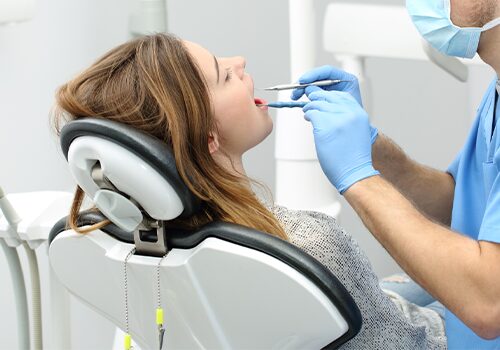
Integrative Dentistry for Better Breathing and Health
At Midtown Dental, we believe dental care is about far more than just teeth—it’s about how you breathe, sleep, and live. Our AirwayCentric® Dentistry approach recognises the vital interconnection between your mouth, airway, facial growth, posture and whole-body wellness. By looking beyond fillings and straightening, we identify the root-causes of airway and breathing dysfunction—whether in children who snore, mouth-breathe or struggle with sleep/focus, or adults with grinding, jaw tension or persistent fatigue—and create personalised treatment plans that support open, healthy breathing, balanced growth, and lasting results. Integrating dentistry, orthodontics and functional health, we see each patient as a whole person. When airway, sleep and facial development are prioritised alongside your smile, you don’t just look better—you feel better, too.
Who Can Benefit from AirwayCentric® Dentistry
Airway issues can affect anyone, often in subtle ways. Our team helps identify and correct these early, before they become chronic.
Children may benefit if they experience:
- Mouth breathing, snoring, or restless sleep
- Crowded teeth or narrow jaws
- Trouble focusing, behavioral changes, or frequent fatigue
- Frequent ear infections or enlarged tonsils
Adults may benefit if they experience:
- Snoring, sleep apnea, or nighttime grinding
- Daytime fatigue, low energy, or poor concentration
- Jaw tension, headaches, or chronic neck pain
- Gum notches or sensitivity along the sides of teeth, often signs of airway-driven clenching or grinding
- Difficulty breathing comfortably through the nose or feeling unrested even after sleep
At Midtown Dental, we combine advanced diagnostics and airway-focused treatment planning to create clear, personalized strategies for each patient, from growth guidance in children to airway rehabilitation in adults.
Common Signs & Symptoms of Sleep Disordered Breathing
Sleep-disordered breathing can affect overall health, behavior, and daily functioning in ways that are not always obvious. Symptoms may appear during the day or night and are often mistaken for behavioral, cognitive, or developmental concerns rather than issues related to disrupted sleep and airway function.
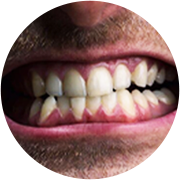
Teeth Grinding
Teeth grinding during sleep is commonly associated with repeated jaw clenching and may occur as the body attempts to stabilize the airway.

Mouth Breathing
Mouth breathing occurs when nasal airflow is insufficient, especially during sleep.
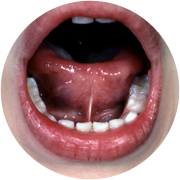
Tongue-Tie
Limited tongue elevation may allow the tongue to fall backward during sleep, contributing to airway narrowing.
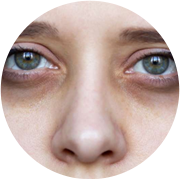
Eye Shiners / Dark Circles
Dark circles under the eyes may indicate chronic poor sleep quality or reduced oxygenation.

Learning or Cognitive Difficulties
Interrupted or low-quality sleep affects attention, memory, and executive function.
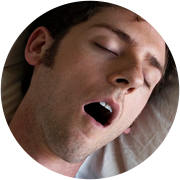
Snoring
Persistent snoring is an important indicator of increased airway resistance and should not be ignored at any age.

ADD / ADHD-Like Symptoms
Rather than appearing tired, individuals may become restless or overstimulated during the day.

Bed Wetting
Sleep disruption may interfere with normal bladder signaling and hormone regulation.

Allergies
Can cause nasal inflammation and congestion, limiting nasal breathing.

Asthma
Asthma and sleep-disordered breathing often coexist, as nighttime breathing challenges can increase airway sensitivity.

Delayed or Impaired Speech
Oral muscle coordination and clarity can be affected over time.

Night Sweats
Night sweats can occur when the body works harder to breathe against a restricted airway.

Aggression / Defiance / Behavioral Changes
Chronic sleep deprivation can impair emotional regulation and impulse control.
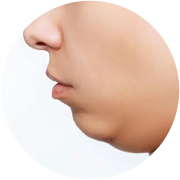
Receding Chin
A receding chin may reflect underdeveloped or retrusive jaw structure, reducing airway space.

Chronic Fatigue
Ongoing fatigue is often linked to disrupted sleep or reduced airflow during rest, which can affect overall energy levels.
If you recognize any of these signs, Midtown Dental Toronto offers comprehensive airway and sleep evaluations to help identify breathing-related concerns and guide appropriate care. Contact us today.
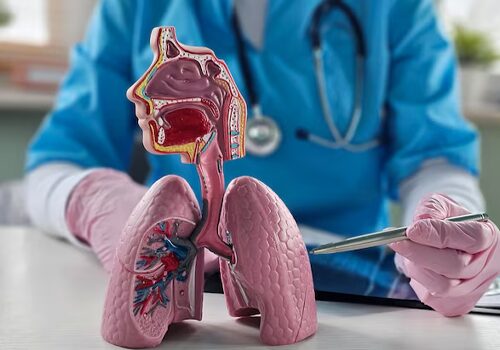
How Airway Enhancement Is Achieved
The goal of airway-focused care is to restore healthy breathing patterns by addressing structural, muscular, and functional factors. Each patient’s treatment plan is unique, but may include one or more of the following:
- Allergy Management: Reducing chronic nasal inflammation helps improve airflow through the upper airway and allows for easier nasal breathing.
- Adenotonsillectomy: Enlarged tonsils and adenoids can block airflow, especially in children. Their removal can significantly improve breathing and sleep quality.
- Palatal Expansion: A narrow upper jaw restricts airflow. At Midtown Dental, we offer non-surgical palatal expansion for both children and adults to create space for proper breathing and jaw development.
- Mandibular Advancement: This technique repositions the lower jaw forward, opening the airway behind the tongue and improving airflow during sleep.
- Myofunctional Therapy: We have Myofunctional Therapy Solutions. Through our Myofunctional Therapy Solutions, we retrain tongue and facial muscles to support correct breathing, swallowing, and posture.
- Occupational Therapy: Addresses habits, muscle tone, and posture that may be contributing to airway restriction.
- Support for Breastfeeding: Breastfeeding encourages proper tongue function, jaw growth, and immune system development in infants, contributing to smaller tonsils, healthier airways, and better breathing patterns later in life.
Together, these approaches aim to restore natural nasal breathing, promote proper facial development, and optimize the function of the airway system throughout life.
The Foundation: Why Airway Health Matters
Healthy breathing starts with an open, well-developed airway. When the airway is restricted or underdeveloped, the body adapts in ways that can create long-term issues.
Even in infancy, airway obstruction can present as mouth breathing, snoring, or sleep apnea. These signs are often dismissed as “normal,” but they can be early indicators of improper facial and airway development. Over time, these breathing patterns can affect growth, sleep, energy, and even cognitive function.

In adults, a narrowed or collapsed airway can lead to a range of concerns collectively known as sleep-disordered breathing, including chronic snoring, obstructive sleep apnea, fatigue, and poor concentration. Because sleep quality directly influences the cardiovascular, immune, and endocrine systems, an untreated airway problem can have a ripple effect across the body, increasing the risk of heart disease, insulin resistance, anxiety, and more.
AirwayCentric® Dentistry brings awareness to these underlying issues and provides solutions that target the source, not just the symptoms.
WHY MIDTOWN DENTAL FOR AIRWAY HEALTH
AIRWAY-CENTRIC DENTISTRY, REDEFINED
At Midtown Dental, airway health is at the core of how we diagnose, plan, and treat. We take an Airway-Centric approach that looks beyond teeth, focusing on how you breathe, sleep, and grow. Our philosophy connects oral health to full-body wellness, ensuring that every treatment supports optimal breathing, balanced posture, and lasting vitality.
Our team doesn’t just fix problems, we trace them back to their source. From children who snore or mouth-breathe to adults with tension headaches, worn enamel, or chronic fatigue, we identify the airway-related causes that often go unseen in traditional dentistry. By restoring healthy breathing patterns, we help patients live, sleep, and feel better, not just look better.
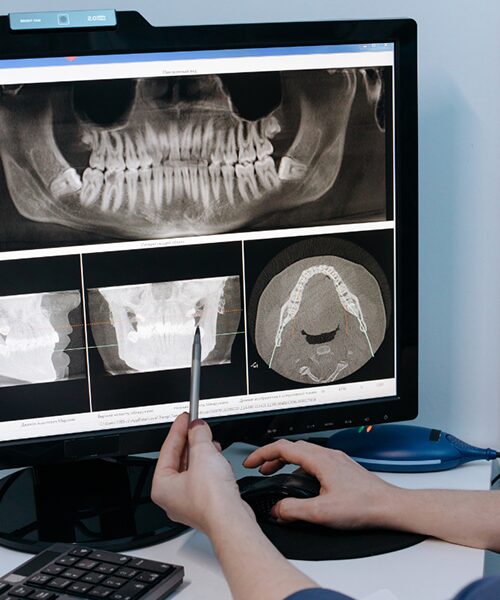
Book Your Airway Centric Consultation
Same day walk-in appointments available.
Book yours today.
We are Located at 20 Bloor Street East, Unit R4, Toronto, ON M4W 3G7