 (416) 966-3368
Braces vs. Aligners: Options for Straighter Teeth – Midtown Dental Centre (Midtown / Toronto)
Straight, well-aligned teeth are not just about aesthetics. They support long-term oral health, proper bite function, and self-confidence. If you are considering orthodontic treatment in Midtown Toronto, Ontario near Bloor Street East, Yonge-Bloor, Yorkville, and surrounding Midtown neighbourhoods, you are likely comparing two main options: traditional braces versus clear. Each treatment offers distinct benefits, and the right choice depends on your dental needs, lifestyle, and goals.
Braces and clear aligners both straighten teeth, but they work in different ways. Understanding how each option functions, along with their advantages, limitations, timelines, costs, and care requirements, helps you make a confident decision. Personalized orthodontic care at Midtown Dental Centre ensures your treatment plan matches your smile goals and overall oral health needs.
Understanding Orthodontic Treatments
Orthodontics is a specialized branch of dentistry that focuses on correcting irregularities of the teeth and jaw. The purpose of orthodontic treatment extends beyond appearance. Properly aligned teeth support efficient chewing, clearer speech, and better oral hygiene, while also reducing the risk of enamel wear, jaw strain, and gum disease. Both traditional braces and clear aligners gradually shift teeth into healthier positions using controlled, consistent pressure applied over time.
Patients at Midtown Dental Centre, located at 20 Bloor Street East in Midtown Toronto, have access to advanced orthodontic solutions tailored to their specific needs. Treatment plans are carefully designed to address each patient’s bite, alignment concerns, and long-term oral health goals. With experienced clinicians and a patient-centered approach, Toronto families receive orthodontic care delivered with precision, professionalism, and compassion.
Traditional Braces: The Classic Orthodontic Solution
Orthodontic treatment has evolved significantly, but traditional braces remain one of the most trusted and effective methods for correcting misaligned teeth and bite issues. For patients dealing with crowding, spacing, or more complex orthodontic concerns, braces continue to deliver predictable and lasting results.
What They Are
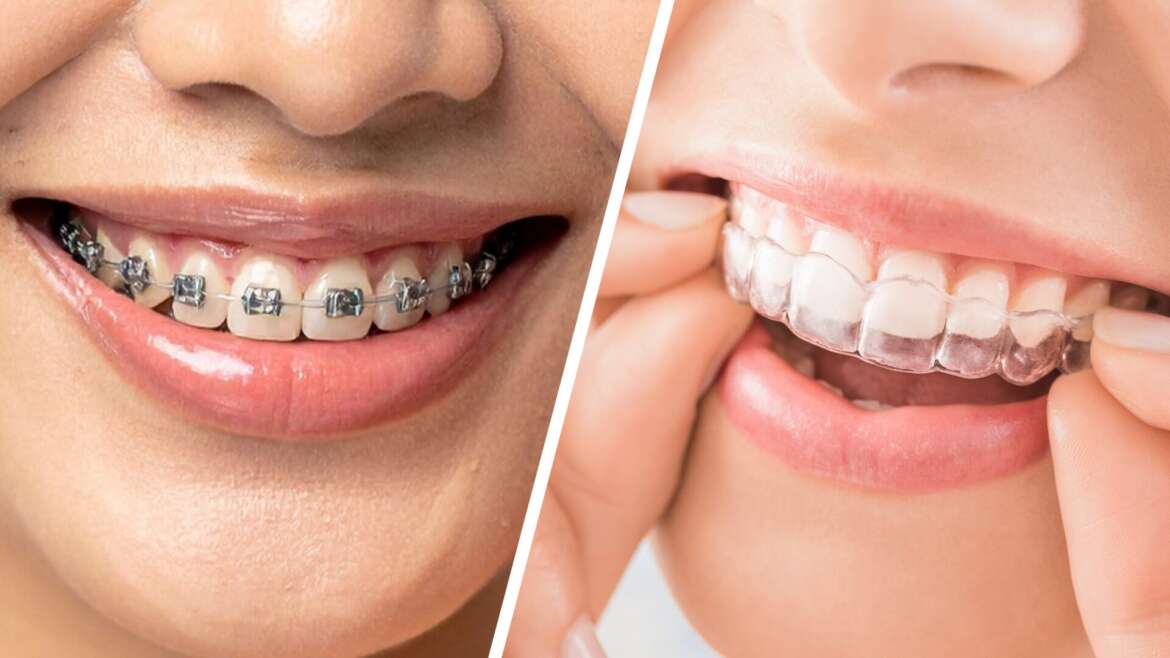
Traditional braces consist of small brackets that are carefully bonded to the front surface of each tooth. These brackets are connected by a thin archwire and supported by elastic bands, which work together to apply steady, controlled pressure on the teeth.
Over time, this consistent pressure gradually shifts teeth into their proper alignment. Although braces are more visible than clear aligners, they remain one of the most dependable solutions for treating complex alignment problems, including severe crowding, significant spacing, and bite irregularities.
How They Work
After braces are placed, your dentist or orthodontist schedules regular adjustment appointments. During these visits, the archwires may be tightened or replaced to maintain the appropriate level of pressure needed to guide tooth movement.
These periodic adjustments are essential for keeping treatment on track. With each visit, your teeth move incrementally closer to their ideal positions, resulting in improved function, alignment, and overall oral health.
Who Should Consider Braces
Orthodontic treatment is not one-size-fits-all, and some dental concerns require more comprehensive correction. Traditional braces remain one of the most effective tools for managing complex alignment and bite issues. Because they are fixed to the teeth, they provide continuous and precise control throughout the treatment process.
Braces are often the preferred option for cases involving:
- Severe misalignment or crowding
- Complicated bite issues (overbite, underbite, crossbite)
- Significant rotations or gaps between teeth
- Need for precise torque control and root movement
For these complex scenarios, traditional braces may outperform removable aligners by delivering stronger and more consistent force. A thorough orthodontic evaluation will determine whether braces offer the most predictable path to achieving your ideal smile. Consulting with an experienced dental team ensures your treatment plan is customized for long-term stability and oral health success.
Benefits
- Highly effective for complex alignment problems: Braces offer precise control over tooth movement, making them effective in difficult orthodontic cases.
- No daily compliance required: Once installed, braces work continuously without needing frequent removal.
- Suitable for all ages: Braces are a reliable choice for teens and adults alike.
Drawbacks
- More noticeable: Metal braces are visible when you smile, though ceramic (tooth-coloured) brackets can be more discreet.
- Maintenance challenges: Cleaning around brackets and wires requires more diligence.
- Dietary limitations: Hard and sticky foods can damage brackets.
Comparing Braces vs. Aligners Side-by-Side
| Feature | Traditional Braces | Clear Aligners |
|---|---|---|
| Visibility | Visible | Nearly invisible |
| Removability | Fixed | Removable (recommended 20 to 22 hrs/day) |
| Complex Cases | Excellent | Best for mild to moderate |
| Oral Hygiene | More complicated | Easier |
| Diet Restrictions | Yes | No |
| Comfort | Can irritate soft tissue | Smoother, less irritation |
| Maintenance Visits | More frequent | Fewer |
Other Orthodontic Options to Consider
While traditional braces and clear aligners are the most common orthodontic treatments, they are not the only solutions available. Ceramic braces use tooth-coloured brackets to provide a more discreet appearance while functioning like metal braces. Lingual braces are placed behind the teeth, making them less visible from the front.
Some patients may also qualify for accelerated orthodontics, which uses specialized techniques to reduce treatment time. These approaches can be helpful for individuals seeking faster results under professional supervision. During your orthodontic assessment at Midtown Dental Centre in Midtown Toronto, your dental professional will review all suitable options to match your smile goals and oral health needs.
Why Your Smile Matters
Your smile plays a powerful role in both your oral health and your overall confidence. While many people seek orthodontic treatment for cosmetic reasons, the benefits extend far beyond appearance. Properly aligned teeth contribute to better function, easier maintenance, and long-term dental stability.
Proper alignment helps:
- Reduce risk of gum disease and decay by facilitating cleaning
- Prevent abnormal wear of tooth enamel
- Improve bite function and reduce jaw stress
- Enhance confidence and social comfort
Orthodontic treatment supports not only a straighter smile but also a healthier foundation for your teeth and gums. When your bite functions properly, you are less likely to experience unnecessary strain or long-term complications. No matter which orthodontic path you choose, you are investing in a healthier, more confident future smile.
What to Expect During Treatment
Initial Consultation
Your journey starts with a comprehensive exam and digital imaging to assess tooth alignment, bite function, and jaw placement. This appointment helps determine whether braces or aligners are right for your unique smile.
Digital Planning & Customization
For aligners, digital scans create your treatment plan, while braces may involve precise bracket and wire placement strategy.
Periodic Visits
Braces require regular adjustments. Aligners require check-ins every 6–10 weeks to ensure progress and receive new trays.
Retention Phase
After active treatment, wear retainers (custom removable appliances) to maintain your newly aligned smile.
Choosing the Right Orthodontic Provider in Midtown Toronto
Deciding where to receive orthodontic care is as important as choosing which treatment to undergo. Located steps from Bloor Street East, Yorkville, and the Yonge-Bloor corridor, Midtown Dental Centre combines modern techniques with a patient-first approach. With decades of experience, a reputation for quality care, and a convenient Midtown Toronto location, this trusted dental centre offers personalized orthodontic plans tailored to your needs.
Your goal may be a subtle smile improvement or a comprehensive correction. Midtown Dental Centre will assess your oral health, explain your options clearly, and develop a treatment plan that aligns with your lifestyle and expectations.
Book Your Orthodontic Consultation Today
A straighter, healthier smile begins with a professional evaluation. If you live or work near Bloor Street East, Yonge-Bloor, or surrounding Midtown Toronto neighbourhoods, expert orthodontic care is within easy reach. Contact Midtown Dental Centre today to schedule your consultation and take the first step toward achieving the confident smile you deserve.
Tips for Success with Braces or Aligners
- Maintain excellent oral hygiene: Brush and floss thoroughly, particularly around orthodontic appliances.
- Follow your provider’s instructions: Wear aligners daily, avoid foods that could damage braces, and attend scheduled visits.
- Wear retainers after treatment: Retainers protect your investment and prevent relapse.
- Ask questions: Understand your specific needs and how your chosen appliance fits your goals.
Frequently Asked Questions About Braces vs Aligners
How long does treatment with traditional braces usually take?
Treatment time varies depending on the severity of alignment and bite issues. Most patients wear braces for 18 to 24 months, although mild cases may require less time. Your dentist or orthodontist will provide a personalized timeline after a comprehensive evaluation.
Are braces painful?
Braces do not typically cause sharp pain, but you may feel soreness after placement and adjustments. This discomfort is temporary and usually fades within a few days. Over the counter pain relief and soft foods can help manage mild tenderness.
How often are adjustment appointments needed?
Most patients visit their dental provider every four to eight weeks for adjustments. These appointments allow the orthodontist to tighten or change wires and monitor progress. Consistent follow up visits are essential to keep treatment on schedule.
Can adults get traditional braces?
Yes, adults can successfully undergo orthodontic treatment with braces. Healthy teeth and gums are the primary requirements, regardless of age. Many adults choose braces to improve both oral health and confidence.
What foods should be avoided with braces?
Sticky, hard, or chewy foods can damage brackets and wires. Items such as caramel, popcorn kernels, hard candies, and ice should be avoided. Choosing softer foods and cutting harder foods into small pieces helps protect your braces.
How do you maintain oral hygiene with braces?
Brushing and flossing require extra care when wearing braces. Special orthodontic brushes, floss threaders, or water flossers can help clean around brackets and wires effectively. Good oral hygiene prevents plaque buildup, cavities, and gum inflammation during treatment.
Will I need to wear a retainer after braces are removed?
Yes, wearing a retainer is essential after braces are removed. Retainers help maintain your new tooth positions and prevent shifting over time. Your dental provider will give clear instructions on how long and how often to wear it for long term stability.
Take the First Step Towards Healthier Smile at Midtown Dental Centre
Choosing between braces and clear aligners is an important decision, and the right option depends on your dental health, lifestyle, and long-term goals. A professional consultation ensures you receive a personalized treatment plan designed for both function and aesthetics.
At Midtown Dental Centre, conveniently located near Bloor Street East in Midtown Toronto, expert orthodontic care is close to home. If you live near Yonge-Bloor, Yorkville, or surrounding Midtown neighbourhoods, book an appointment today and take the first step toward a confident, healthier smile.