 (416) 966-3368
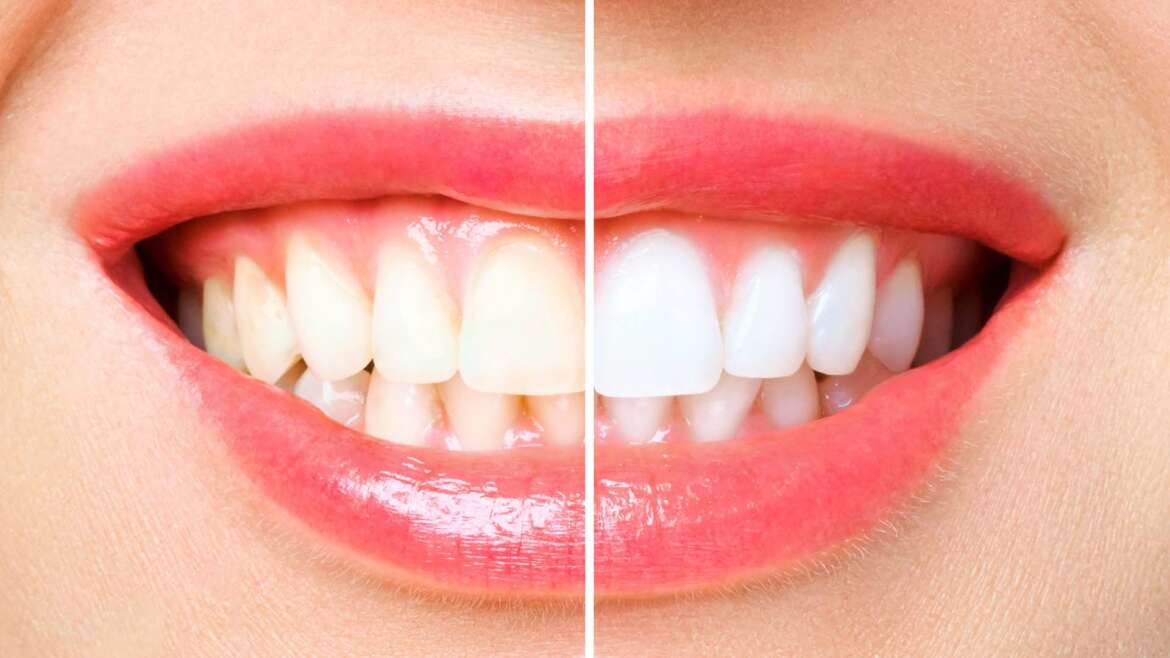
Is Teeth Whitening Safe and Effective
A bright, vibrant smile can boost confidence and make a lasting impression. Teeth whitening has become one of the most popular cosmetic dental treatments across the globe, including in Midtown Toronto.
But before taking the plunge, it’s natural to ask: Is teeth whitening really safe? And does it actually work?
This guide breaks down the science, safety, and effectiveness of teeth whitening, helping you navigate your options.
Orthodontic treatment can seem a bit overwhelming at first, but understanding the differences and benefits of braces and clear aligners will give you the confidence to choose the right option. From appearance and comfort to effectiveness and maintenance, each method has its strengths.
What Is Teeth Whitening and How Does It Work?
Teeth whitening involves lightening the natural color of your teeth by removing stains and discoloration.
Teeth can become yellow or stained over time due to factors such as:
-
- Smoking or tobacco use
-
- Aging and enamel thinning
-
- Certain medications or health conditions
Whitening products typically use bleaching agents, most commonly hydrogen peroxide or carbamide peroxide. These agents penetrate the enamel and break down stain-causing molecules through a chemical oxidation process, revealing a whiter tooth surface.
Two main whitening methods exist:
-
-
-
- Professional whitening by dentists: Uses higher concentrations of bleaching agents (up to 40% hydrogen peroxide), often enhanced by light or laser activation. Results are fast and controlled.
-
- Over-the-counter (OTC) whitening products: Includes strips, gels, toothpaste, and trays with lower peroxide levels (usually between 3-10%). These take longer to show results but are more affordable.
-
-
How Effective Is Teeth Whitening?
Clinical studies consistently show that peroxide-based teeth whitening is effective both in professional office procedures and with at-home treatments.
Professional Whitening
Professional treatments typically use 35-40% hydrogen peroxide.
Can lighten teeth by several shades in one session, with effect sizes (ΔE) over 3, meaning noticeable color improvement.
Light-activated treatments may enhance results and speed.
If this interests you, you can contact us for more details to see if this one is exactly what you’re looking for.
At-Home Whitening
Generally uses lower concentrations (10-16% carbamide peroxide).
Results can take several days or weeks to appear.
Long-term outcomes can be comparable to professional treatments, though the process is slower.
Whitening Toothpaste and Surface Cleaners
Whitening toothpastes and surface cleaners are made primarily to tackle surface stains on teeth caused by everyday factors like coffee, tea, or smoking. These products contain mild abrasives or chemical agents that gently polish the enamel, helping to restore the natural brightness of your smile. However, it’s important to understand that whitening toothpastes do not actually bleach your teeth or change their natural color.
While they may not produce dramatic whitening effects on their own, these toothpastes are very effective at maintaining and prolonging the results achieved through professional bleaching or at-home whitening treatments. Regular use of whitening toothpastes and surface cleaners can keep your teeth looking cleaner and brighter by preventing new stains from settling on the enamel’s surface.
Is Teeth Whitening Safe?
The safety question is the top concern for many. Good news: teeth whitening is generally safe when done properly.
Scientific Evidence on Safety
- Whitening agents target stain molecules, not tooth structure.
- Minor, reversible changes to enamel microstructure have been observed, but without lasting damage.
- Temporary tooth sensitivity during or after treatment is common but usually mild and short-lived.
- Gingival irritation can occur if gels contact gums, but resolves quickly when avoided or treated properly.
Professional vs. OTC Safety
- Professional whitening is safer due to controlled application and supervision by dentists.
- Overuse or misuse of OTC products can cause harm, such as enamel erosion or prolonged sensitivity.
- Products with peroxide concentrations above 6% generally require dentist’s supervision.
Explore our Dental Services range and find the best dental procedure for you!
Understanding and Managing Side Effects
While teeth whitening is generally safe, it can sometimes lead to certain side effects. Knowing what to expect and how to handle these effects can make your whitening experience more comfortable.
The most common issue people face is tooth sensitivity — a temporary discomfort that occurs during or after treatment. Understanding why this happens and how to manage it is key to enjoying a brighter smile without pain.
Tooth Sensitivity
- The most commonly reported side effect.
- Affects between 30% and 78% of users, depending on product and concentration.
- Caused by peroxide penetrating the enamel and reaching the nerves, temporarily increasing sensitivity.
- Usually mild to moderate and resolves within a few days post-treatment.
Using sensitive toothpaste or fluoride products can reduce discomfort.
Gum Irritation
- Usually related to gel contact with soft tissue.
- Symptoms include redness, inflammation, or mild burning.
- Should subside quickly if contact is minimized.
Long-Term Effects
- Studies show no significant long-term enamel damage when used as directed.
- Microstructural changes at very high concentrations are reversible.
Proper dental supervision drastically minimizes risks.
Choosing the Right Whitening Method for You
With so many whitening options available today, it can be challenging to decide which method suits your smile and lifestyle best. Factors like your budget, desired results, dental health, and time frame all play a role in making the right choice.
For residents of Midtown Toronto, professional whitening treatments offer a reliable path to achieve safe, fast, and effective results under expert care.
You can also view our Cleanings and Prevention Services for detailed information.
Professional Whitening Treatments in Midtown Toronto
Professional whitening is considered the gold standard for both safety and effectiveness. Our Midtown Dental office near Yonge and Bloor offers expert care tailored to your oral health status.
Benefits include:
-
- Customized treatment plans
-
- Higher concentration gels for faster results
-
- Protective measures to shield gums and soft tissue
-
- Monitoring to manage sensitivity or side effects
At-Home Whitening Options
Convenient and budget-friendly but slower, these products are well suited if:
- You have mildly stained teeth
- You want maintenance after professional whitening
- You prefer a gradual approach
- Always select ADA-approved products and follow instructions carefully
How to Maximize Whitening Benefits Safely
- Consult your dentist before starting whitening, especially if you have restorations or sensitive teeth
- Avoid overusing products or leaving them on longer than recommended
- Maintain good oral hygiene and avoid stain-causing foods during and after treatment
- Use toothpaste for sensitive teeth if discomfort occurs
Space out whitening sessions to allow teeth to recover (six months is a common recommendation)
Maintaining Your Whiter Smile Long-Term
Whitening removes existing stains but cannot prevent new ones. Among the ways to keep your teeth bright are the following:
- Brush and floss daily
- Limit coffee, tea, soda, and red wine intake
- Avoid smoking or tobacco products
- Drink water after meals
- Schedule regular dental cleanings
Why Visit a Midtown Toronto Dentist for Teeth Whitening?
When it comes to brightening your smile, professional teeth whitening offers advantages that can’t be matched by over-the-counter products. Visiting a trusted dentist in Midtown Toronto ensures that your treatment is safe, effective, and personalized to your unique needs.
Convenient Midtown Locations
Midtown Toronto dental offices are located in easy-to-access areas like Yonge and Bloor, making appointments convenient for both residents and professionals. This ensures you can fit your whitening treatments into your busy schedule without hassle.
Personalized Assessment and Customized Whitening
A Midtown dentist will carefully examine your oral health before recommending the best whitening options for you. This personalized approach helps protect sensitive teeth and deliver optimal, lasting results.
Immediate Support for Side Effects or Concerns
If you experience any discomfort or have any questions during your whitening treatment, a nearby dental team can provide quick and effective care. This immediate support adds an extra layer of safety and confidence to your whitening experience.
Access to Latest Technology and Techniques
Midtown dentists use the newest whitening technologies and methods for faster, more effective results. These advanced treatments provide a brighter smile with natural-looking effects and longer-lasting benefits.
Safer Procedures and Superior Results
Choosing a trusted dental clinic ensures your whitening procedure is performed safely by experienced professionals. This results in a healthier, whiter smile that you can confidently show off every day.
You can also view our comprehensive procedures for more details.
FAQS About Teeth Whitening
Do teeth whitening have any side effects?
Teeth whitening is generally safe, but some people may experience temporary side effects like tooth sensitivity or mild gum irritation. These effects usually subside within a few days after treatment. It’s important to follow instructions carefully and avoid overuse to minimize these risks.
Your dentist can suggest ways to manage any sensitivity, such as using desensitizing toothpaste or adjusting whitening treatments. Overall, side effects are typically short-lived and do not cause long-term harm when whitening is done properly.
Can teeth whitening be done safely?
Yes, teeth whitening can be done safely when performed under the guidance of a dental professional or with approved over-the-counter products. Dentists assess your oral health to recommend the safest options and avoid complications like damaged enamel or gum irritation.
Using products as directed and avoiding excessive treatments also helps maintain safety. For best results, it’s always recommended to consult your dentist first to ensure whitening is appropriate for you.
Can teeth whitening give you a sore throat?
Sore throat after teeth whitening is uncommon but can happen if the whitening gel irritates your throat or if you swallow some of the product accidentally. This is more likely with at-home treatments if they are not used properly.
If you experience a sore throat after whitening, rinse your mouth thoroughly with water and avoid swallowing the gel. If the irritation persists, consult your dentist for advice on safer application methods or alternative treatments.
Do dentists recommend teeth whitening?
Most dentists recommend teeth whitening as a safe and effective way to enhance your smile when it is done under professional supervision. It’s a common cosmetic procedure that can significantly boost confidence without damaging teeth.
However, dentists emphasize the importance of assessing your oral health first to address any underlying issues and ensure whitening is suitable for you. They also guide you on the best products and treatment plan for lasting, natural results.
Is teeth whitening safe long term?
When performed correctly and in moderation, teeth whitening is considered safe for long-term use. Overuse or misuse can lead to enamel wear or increased sensitivity, so following professional advice is essential.
Maintaining a good oral hygiene routine and regular dental checkups will help keep your teeth healthy between whitening treatments. Long-term safety depends largely on how whitening is managed over time.
Is niacinamide good for teeth whitening?
Niacinamide, a form of vitamin B3, is more commonly used in skincare than in dental care. While some research suggests it may help with oral health by reducing inflammation, it is not proven as an effective teeth whitening agent.
For whitening, products containing peroxide or mild abrasives remain the gold standard. If you’re interested in natural options, consult your dentist before trying alternatives like niacinamide to ensure effectiveness and safety.
How long will my gums stay white after teeth whitening?
If your gums appear white immediately after teeth whitening, it’s usually a temporary reaction caused by the bleaching agents contacting the soft tissue. This whiteness typically fades within minutes to a few hours.
If gum discoloration persists or is accompanied by irritation or pain, it’s important to contact your dentist. They can check for any irritation or damage and advise on treatment if necessary.
What kind of teeth whitening is best?
The best teeth whitening option depends on your needs, budget, and oral health. Professional in-office whitening offers the fastest, most dramatic results under expert supervision, while at-home kits provide convenience and gradual improvement.
Your dentist can recommend the ideal treatment based on your tooth sensitivity, stain severity, and lifestyle. Custom trays, whitening strips, and toothpaste all have roles but usually work best when combined with professional guidance.
Who should not whiten their teeth?
People with severely weakened enamel, dental restorations like crowns or veneers, severe gum disease, or pregnant and breastfeeding women are usually advised to avoid teeth whitening. Whitening products may also irritate sensitive teeth or gums.
It’s essential to have a dental exam before whitening to rule out issues that could be aggravated by treatment. Your dentist can recommend safer alternatives for improving your smile if whitening isn’t suitable.
How long does a dentist’s teeth whitening last?
Professional teeth whitening results typically last from six months to two years, depending on your oral hygiene and lifestyle habits like smoking or frequent coffee drinking. Regular touch-ups can help maintain your brighter smile longer.
Maintaining good dental care, avoiding stain-causing foods, and using whitening toothpaste can extend the life of your whitening results between dentist visits. Your dentist can also recommend a personalized maintenance plan.
Can baking soda whiten teeth?
Baking soda is a mild abrasive that can help remove surface stains and brighten teeth slightly when used occasionally. However, it does not bleach teeth or change their natural color.
Because baking soda is abrasive, frequent or aggressive use can damage enamel over time. It’s best to use it sparingly and combine it with professional whitening treatments for safer, more effective results.
Final Thoughts: Teeth Whitening in Midtown Toronto
Teeth whitening is a popular cosmetic treatment that can brighten your smile and boost your confidence—but many wonder if it’s safe and truly works. The good news is that when done properly, teeth whitening is both safe and effective for most people. Whether you choose professional treatments or trusted at-home options, you can achieve noticeable results without compromising your dental health.
At Midtown Dental Centre in Toronto, we prioritize your safety and satisfaction every step of the way. Our experienced team uses the latest whitening techniques tailored to your needs, ensuring effective results that look natural and last. Located at Yonge and Bloor, Midtown Dental Centre combines expert care with a warm, personalized approach.
Ready to brighten your smile safely? Schedule your teeth whitening consultation today and discover the best way to enhance your smile with confidence.