
 (416) 966-3368
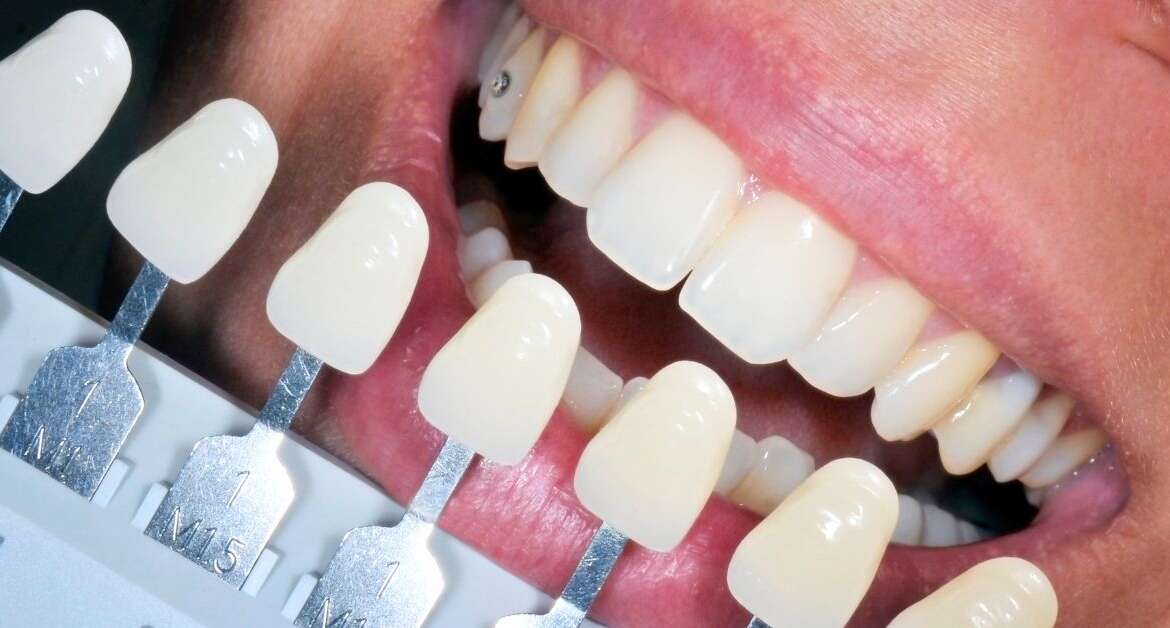
Rebuilding and Restoring Smiles with Restorative Dentistry – Midtown Dental Toronto (Midtown / Toronto)
Restorative dentistry has reshaped modern dental care by focusing on rebuilding teeth to restore strength and function. Modern materials and precise planning allow damaged or missing teeth to be repaired in reliable ways. This approach appeals to many adults and families in Midtown Toronto seeking dependable, long-term dental solutions.
Dental care has evolved to emphasize durability, comfort, and efficiency alongside clinical outcomes. Restorative dentistry reflects this progress through advanced imaging and evidence-based techniques. For many patients in Midtown Toronto, it offers a practical balance between modern technology and lasting oral health.
Understanding Restorative Dentistry
Restorative dentistry focuses on evaluating, repairing, and replacing teeth affected by decay, damage, or tooth loss. Modern diagnostic tools and careful treatment from Midtown Dental Toronto can help rebuild tooth structure and restore normal oral function. The primary goal is to create a stable bite that supports comfort and long-term oral health.
Restorative care is often recommended when teeth are weakened by cavities, fractures, injury, wear, or missing teeth. Advances in materials and techniques allow treatment to be completed with greater precision and efficiency. Early care helps reduce the risk of pain, infection, and further damage while supporting lasting oral stability.
The Role of Restorative Dentistry in Supporting Overall Oral Health
Teeth support daily functions such as chewing, speaking, and maintaining facial structure. Damaged or missing teeth can affect comfort, function, and oral stability. Restorative dentistry rebuilds compromised teeth so the mouth can function as a balanced system.
Restoring weakened or missing teeth improves chewing efficiency and bite alignment. Proper restoration helps reduce strain on the jaw and surrounding muscles. Early care also prevents shifting teeth and supports gum and bone health for long-term stability.
When Restorative Dentistry May Be Recommended
Restorative dental care is recommended when teeth are compromised in ways that affect strength, comfort, or function. Some problems develop gradually, while others occur suddenly from injury or damage. Early attention helps prevent further complications and supports long-term oral health.
Dentists often recommend restorative treatment for several common concerns. These include:
- Tooth decay that weakens natural tooth structure
- Cracked or fractured teeth from injury or wear
- Damage from grinding or clenching
- Missing teeth due to extraction, trauma, or decay
- Worn or failing older restorations
- Sensitivity or pain linked to structural damage
A comprehensive dental assessment identifies the cause of these concerns and guides the best treatment choice. This evaluation allows care to be tailored to your specific needs. Personalized planning supports lasting comfort and function.
You can send an appointment request to begin your assessment. Early evaluation provides clarity and practical treatment options. Timely care helps protect your long-term oral health.
Dental Fillings: Repairing Tooth Decay
Dental fillings are a common restorative treatment used to repair teeth affected by cavities or early decay. A dentist removes the decayed portion before placing a filling to rebuild the tooth. This process restores normal function for chewing and speaking.
A filling is a durable material placed into the cleaned area of a tooth to reinforce and protect it. Fillings are typically recommended for small to moderate cavities. Early treatment helps prevent further structural damage.
Dental fillings help:
- Restore tooth strength and function
- Stop decay from progressing
- Preserve natural tooth structure
- Reduce the need for complex treatment
Modern filling materials are designed to blend naturally with your teeth. They provide reliable strength for everyday use. Treating cavities early supports long-term oral health and comfort.
Dental Crowns: Restoring Strength and Structure
Dental crowns are used to reinforce teeth that cannot support normal function on their own. A crown helps preserve a weakened tooth and restore its role in your bite. This support allows comfortable chewing and daily use.
A dental crown is a custom-made restoration that fully covers and protects a damaged tooth. Dentists often recommend crowns for teeth with large cavities, fractures, or root canal treatment. Full coverage helps restore structure and stability.
Dental crowns help:
- Restore chewing strength
- Protect weakened teeth from damage
- Improve tooth shape and appearance
- Maintain proper bite alignment
Crowns are carefully designed to fit your bite and match surrounding teeth. A precise fit supports both function and appearance. Strong, stable crowns help protect long-term oral health.
Root Canal Therapy: Saving Infected Teeth
Root canal therapy is a restorative treatment designed to preserve a tooth that has been affected by infection or inflammation within its inner pulp. By addressing the problem at its source, this procedure helps prevent the spread of infection while allowing the natural tooth to remain in place.
When the pulp inside a tooth becomes infected or inflamed, root canal therapy may be recommended. The procedure involves removing the affected tissue, thoroughly cleaning the internal canals, and sealing the tooth to reduce the risk of reinfection.
Root canal therapy allows you to:
- Relieve pain caused by infection
- Preserve your natural tooth
- Avoid tooth extraction
- Maintain normal chewing function
After root canal treatment, a dental crown is commonly placed to restore strength and provide long-term protection, helping the tooth function comfortably as part of your bite.
Dental Bridges: Replacing Missing Teeth
Dental bridges are a restorative option used to replace one or more missing teeth and restore balance within the bite. By filling the space left by missing teeth, a bridge helps support proper oral function and reduces strain on surrounding teeth.
When teeth are lost, a dental bridge may be recommended to restore stability and chewing efficiency. The bridge is secured by anchoring to neighbouring teeth or dental implants, allowing it to function as a fixed replacement.
Replacing missing teeth helps prevent:
- Shifting of adjacent teeth
- Bite imbalance
- Difficulty chewing
- Increased wear on remaining teeth
Dental bridges are custom-designed to fit comfortably and blend naturally with surrounding teeth, helping restore both function and a natural-looking smile.
Dental Implants: A Long-Term Tooth Replacement Option
Dental implants are used to replace missing teeth with strong, long-term support. An implant acts as an artificial root that anchors a crown, bridge, or denture. This design supports normal chewing and daily function.
The implant is placed in the jawbone, where it integrates with the surrounding bone. This process creates a stable base for the replacement tooth. A well-integrated implant can feel and function like a natural tooth.
Dental implants help:
- Restore chewing efficiency
- Support jawbone health
- Reduce bone loss from missing teeth
- Provide a stable, natural-feeling replacement
Implant treatment follows a carefully planned process guided by a dental professional. Adequate bone support and healthy gums are important for success. Proper care helps maintain long-term stability.
Dentures: Restoring Multiple Missing Teeth
Dentures are used to replace several missing teeth and restore oral function. They help patients eat and speak more comfortably. Dentures also support everyday confidence.
Modern dentures use improved materials and design for better comfort and fit. These advances allow dentures to look more natural. A proper fit supports daily function.
Dentures may be:
- Partial, replacing some missing teeth
- Full, replacing all teeth in an arch
Well-fitted dentures support facial structure and bite balance. They help improve comfort during daily activities. Proper care helps maintain long-term use.
Restorative Dentistry and Bite Alignment
Restorative dentistry helps maintain proper bite alignment for comfortable oral function. A balanced bite allows teeth to work efficiently during chewing and speaking. Good alignment supports overall oral stability.
Damaged or missing teeth can disrupt bite balance. Uneven pressure may develop during daily use. This imbalance can lead to jaw discomfort, muscle tension, or tooth wear over time.
Restorative treatments rebuild teeth to the correct height and shape. Proper restoration helps distribute biting forces evenly. Balanced alignment protects teeth and reduces strain on the jaw.
A stable bite supports long-term comfort and function. It also protects surrounding teeth from excessive wear. Maintaining alignment contributes to lasting oral health.
Preventing Further Dental Problems Through Restoration
Restorative dentistry focuses on more than repairing existing dental concerns. Early intervention helps reduce the risk of future complications by protecting surrounding teeth, gums, and supporting structures from added strain or deterioration.
Addressing damage or decay in a timely manner allows potential problems to be managed before they progress into more serious conditions. This proactive approach supports overall oral stability and helps maintain long-term function and comfort.
Timely restorative treatment can help to:
- Reduce the risk of infection
- Prevent further tooth damage or tooth loss
- Minimize the need for more extensive dental procedures
- Support long-term oral stability and function
What to Expect During Restorative Dental Treatment
Restorative dental treatment is planned around your specific oral health needs. Care focuses on comfort, function, and long-term results. Understanding the process helps you feel prepared and confident.
Treatment usually begins with a comprehensive dental examination. This visit may include digital X-rays and a visual assessment. Your dentist also reviews your concerns and dental history.
These steps help evaluate the condition of your teeth, gums, and bite. Careful assessment guides the most appropriate treatment choice. Personalized planning supports predictable outcomes.
As part of the planning process, your dentist will:
- Explain available restorative treatment options
- Recommend an individualized care plan based on your needs
- Discuss treatment timelines and expected outcomes
- Address comfort considerations and follow-up care
Clear communication throughout the process ensures you understand each stage of treatment and its purpose. With a structured plan in place, restorative care can move forward in a way that supports both your oral health and your daily routine.
Comfort and Modern Restorative Dentistry
Modern restorative dentistry has evolved significantly, with advancements in materials and techniques that improve comfort, accuracy, and treatment outcomes. These developments allow many restorative procedures to be completed more efficiently while supporting a smoother experience and reduced recovery time.
Today’s restorative care is planned with patient comfort as a central priority. From diagnosis to final restoration, each step is designed to be precise and carefully managed.
Your comfort is supported through:
- Modern anesthetic techniques
- Precise digital imaging
- Customized restorations
- Thoughtful treatment planning
Together, these approaches help ensure restorative treatment is predictable, well-coordinated, and focused on maintaining comfort throughout the process.
Why Location Matters for Restorative Dentistry in Midtown Toronto
Restorative dental care often involves multiple visits, including follow-up appointments to monitor healing and ensure restorations continue to function as intended. Choosing a conveniently located dental clinic can make it easier to attend these visits consistently and maintain continuity of care.
When dental care is easily accessible, treatment can be better integrated into everyday schedules. Clinics located near TTC subway lines and major intersections, such as Yonge and Eglinton, allow patients to attend appointments with minimal disruption to work commitments, commuting, and daily responsibilities.
Restorative Dentistry as Part of a Long-Term Dental Plan
Restorative dentistry is most effective when it is part of a comprehensive, long-term approach to oral health. Rather than addressing concerns in isolation, restorative care works alongside preventive dentistry to support stability, function, and comfort over time. This combined approach helps protect natural teeth as well as existing restorations.
Regular dental check-ups, routine cleanings, and early identification of changes in oral health play an important role in maintaining restorative work. Ongoing care allows restorations to be monitored for wear, fit, and bite alignment, helping reduce the risk of future complications and extend their lifespan.
A long-term dental plan may include:
- Preventive dental care
- Restorative treatments as needed
- Ongoing monitoring of existing restorations
- Patient education and maintenance guidance
By combining restorative treatment with consistent preventive care, a long-term dental plan supports lasting oral health, functional stability, and confidence in everyday activities.
How Restorative Dentistry Supports Confidence
Restorative dentistry focuses first on restoring oral function, comfort, and long-term dental health. However, many patients also experience a meaningful increase in confidence following treatment. Dental restorations that improve tooth structure, stability, and bite function often allow patients to smile, speak, and eat more comfortably, reducing self-consciousness during everyday interactions.
When dental concerns such as damaged, missing, or weakened teeth are addressed, patients may feel more at ease in both personal and professional settings. Improved oral function can support clearer speech and more relaxed social engagement, while a healthier, balanced smile contributes to overall self-assurance. In this way, restorative dentistry supports not only physical dental health but also emotional well-being and quality of life.
Is Restorative Dentistry Right for You?
Restorative dentistry may be an appropriate option if you are experiencing dental discomfort, damaged teeth, or tooth loss that affects your ability to eat, speak, or maintain proper oral health. Conditions such as fractures, decay, or missing teeth can place additional stress on surrounding teeth and may worsen over time without professional care.
Addressing these issues early helps protect both function and long-term dental stability.
A comprehensive dental examination allows the dental provider to evaluate your oral health and recommend suitable restorative treatment options. This personalized assessment considers factors such as tooth structure, bite alignment, and overall dental condition to determine the most effective approach. Through individualized planning, restorative dentistry supports lasting oral health and improved day-to-day comfort.
In Need of Restorative Dentistry in Midtown Toronto?
Restorative dentistry offers practical, evidence-based solutions to repair and replace damaged or missing teeth. Treatment supports daily function, long-term oral health, and renewed confidence. Modern care is designed to fit smoothly into busy routines.
Scheduling a consultation at Midtown Dental Toronto allows you to explore your options with an experienced dental team. A personalized plan focuses on your comfort, function, and long-term goals. Early care helps protect your smile and prevent future complications.
Book your restorative dentistry consultation at Midtown Dental Toronto today and take the next step toward a healthier, stronger smile.
FAQs About Restorative Dentistry
What is restorative dentistry?
Restorative dentistry focuses on repairing or replacing damaged, decayed, or missing teeth to restore proper oral function and health. Treatments are designed to improve chewing ability, speech, and bite stability. The goal is long-term dental health rather than appearance alone.
What is another name for restorative dentistry?
Restorative dentistry is sometimes referred to as reconstructive dentistry. This term emphasizes rebuilding tooth structure and restoring function. Both names describe the same category of dental care.
What is the difference between restorative and cosmetic dentistry?
Restorative dentistry addresses dental health and function, such as repairing cavities or replacing missing teeth. Cosmetic dentistry focuses primarily on improving appearance, including tooth colour and shape. Some treatments, like crowns, can serve both restorative and cosmetic purposes.
What is the difference between restorative and esthetic dentistry?
Restorative dentistry prioritizes function, durability, and oral health. Esthetic dentistry places greater emphasis on visual outcomes and smile appearance. In modern dentistry, many treatments are planned to achieve both functional and esthetic results.
Is restorative dentistry worth it?
Restorative dentistry is often worth it because it helps prevent further dental damage and supports long-term oral health. Restoring damaged or missing teeth can improve comfort, function, and daily quality of life. Early treatment may also reduce the need for more complex procedures later.
How long does tooth restoration last?
The lifespan of a tooth restoration depends on the type of treatment, materials used, and oral hygiene habits. Many restorations last between 5 and 15 years, with some lasting longer. Regular dental care helps extend their durability.
What comes under restorative dentistry?
Restorative dentistry includes treatments such as dental fillings, crowns, bridges, implants, inlays, onlays, and dentures. These procedures repair or replace damaged teeth. Each treatment is selected based on individual oral health needs.
How painful is tooth restoration?
Most restorative dental procedures involve minimal discomfort due to local anesthesia and modern techniques. Patients may experience mild soreness afterward, which usually resolves within a short time. Dentists aim to keep treatment as comfortable as possible throughout the process.
Final Thoughts: Rebuild Your Smile with a Team You Can Trust
Damaged or missing teeth can affect how you eat, speak, and feel about your smile, but the right care makes a big difference. Midtown Dental Toronto provides reliable, patient-focused restorative dentistry to help you regain comfort, function, and confidence. Every treatment plan focuses on your needs, your goals, and your long-term oral health.
Located in Midtown Toronto near the Yonge and Bloor TTC subway station, the clinic offers convenient access to quality restorative care. If your smile needs repair or renewal, now is a great time to take the next step. Contact Midtown Dental Toronto today and start your journey toward a stronger, healthier smile.